Sleeping like a baby, that's the dream, isn't it? But for many, a restful night is disrupted by the chains of sleep apnea. While you might immediately think of a sleep clinic or bulky machines for treatment, there’s another professional who might be your unexpected savior - your dentist! Dive into this post as we demystify the sounds of sleep apnea, its implications on life expectancy, the truth about self-treatment, and why your next appointment with our dental clinic could be the key to peaceful slumbers. Don’t just dream of restful nights; make them a reality.
What Does Sleep Apnea Sound Like?
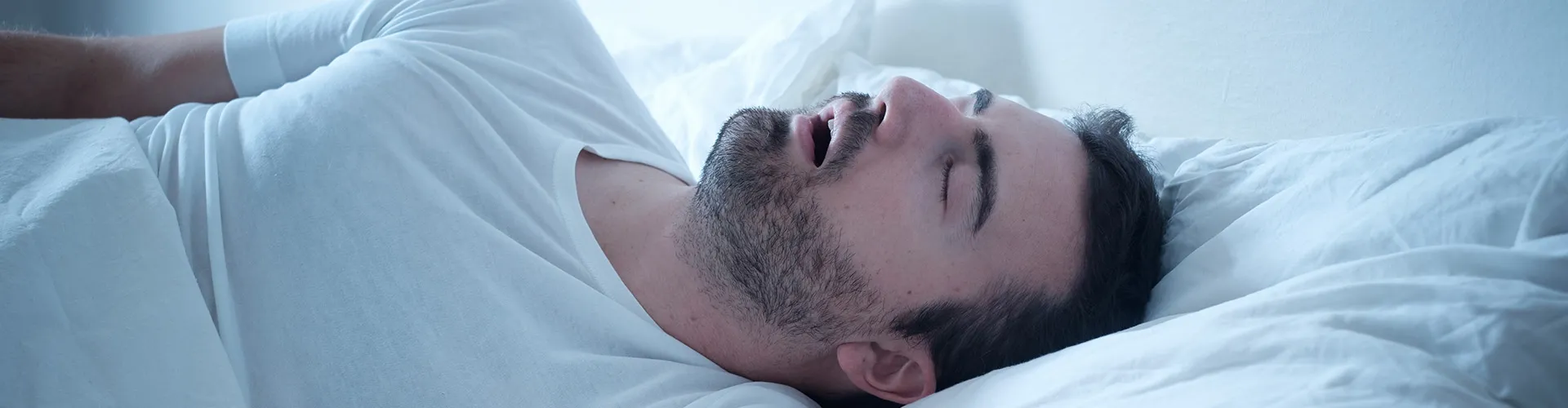
When it comes to sleep apnea, the signs might be closer to home than you think - or perhaps right beside you if you share your bed with someone! For many people, they are unaware that they suffer from this disorder until someone close to them points it out.
Recognizing The Sound
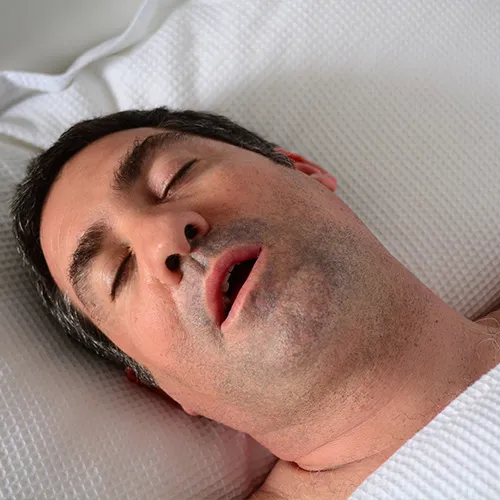
Snoring: Often, the most noticeable sound associated with sleep apnea is loud and frequent snoring. However, it's worth noting that not everyone who snores has sleep apnea.
Gaps in Breathing: If you hear someone stop breathing for short intervals, and then suddenly gasp or choke, it's a significant sign of obstructive sleep apnea.
Restless Movement: Although not a "sound," restless movements during sleep can often accompany the irregular breathing patterns of sleep apnea.
What is the Life Expectancy of Someone with Sleep Apnea?
Understanding the potential health implications of sleep apnea is vital. The condition does more than just disrupt your good night's sleep; it could shorten your lifespan if left untreated.
Impact on Health
Cardiovascular Risks: People with untreated sleep apnea are at a higher risk of suffering from heart attacks, strokes, and high blood pressure. The repeated awakening during the night, caused by the body's effort to restart breathing, puts immense stress on the cardiovascular system.
Metabolic Syndrome: This cluster of conditions includes high blood pressure, abnormal cholesterol levels, high blood sugar, and increased body fat around the waist. It is closely related to sleep apnea and ups your risk of heart disease.
Complications with Medications & Surgery: People with sleep apnea are more likely to face complications post-surgery due to breathing problems.
While this may sound daunting, the good news is that with proper treatment and care, the life expectancy of someone with sleep apnea can be similar to those without. Regular visits to clinics like ours can make all the difference!
Can You Self Treat Sleep Apnea?
If you've been searching for answers online, you might have stumbled across various "home remedies" or DIY solutions for sleep apnea. While it's tempting to opt for these, it's crucial to understand what works and what doesn't.
DIY Remedies: Truth or Myth?
Positional Therapy: Some individuals find that their symptoms reduce when they sleep on their side as opposed to their back. This can sometimes help but isn't a cure-all.
Weight Loss: Carrying excess weight, especially around the neck, can contribute to blocked airways. Losing weight can alleviate symptoms but again, isn't a guaranteed solution.
Avoiding Alcohol & Sleeping Pills: Both can relax the muscles of your throat, worsening sleep apnea. While limiting them can help, it isn't a solution on its own.
However, while these methods might offer temporary relief, they aren't long-term solutions. The best approach is to consult a professional for an individualized treatment plan, which could range from dental devices designed to keep airways open, CPAP machines, or even surgery in extreme cases.
Why Consult a Dental Clinic for Sleep Apnea?
Sleep apnea isn't just about snoring or feeling tired all day; it's a severe condition that can have long-term health repercussions. The link between dental clinics and sleep apnea treatment may not be immediately obvious, but rest assured, your dentist can be a pivotal part of your path to better sleep and improved health.
The Dentist's Role in Diagnosing Sleep Apnea
Your dentist is often one of the first healthcare professionals to spot the signs of sleep apnea. While examining your mouth, teeth, and jaw, they can identify indicators such as worn tooth surfaces (from grinding) and an inflamed throat, which can suggest a sleep disorder.
Oral Devices: A Game Changer
While CPAP (Continuous Positive Airway Pressure) machines are often the go-to treatment for sleep apnea, they're not for everyone. Many people find them uncomfortable or intrusive. This is where dental intervention shines.
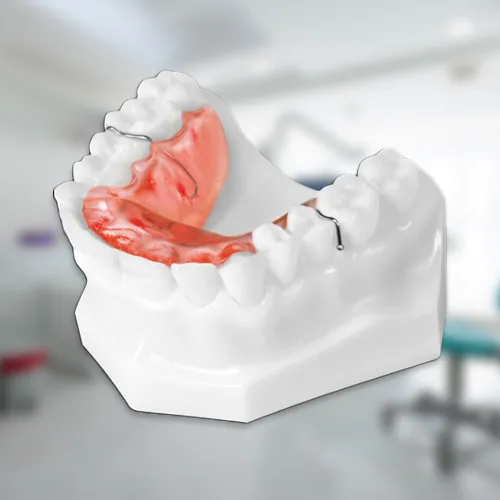
Mandibular Advancement Devices (MADs): These are custom-made devices that resemble mouth guards you might see on athletes. MADs are designed to snap over the upper and lower dental arches. They have metal hinges, which allow the lower jaw to ease forward gently. By doing so, they widen the airway and facilitate better airflow, reducing the symptoms of sleep apnea.
Tongue Retaining Devices: If you find that MADs aren't suitable for you, tongue retaining devices might be the answer. These devices are splints that hold your tongue forward, preventing it from falling back into the airway. These can be particularly helpful for people who sleep on their back.
Custom Solutions for Individual Needs
Generic, over-the-counter dental devices for treating sleep apnea are available, but they often lack the customized fit that you'd get from a professional dental clinic. A poorly fitted device can not only be uncomfortable but also less effective in treating your symptoms.
Expert Consultation: Beyond Devices
Consulting a dentist for sleep apnea treatment doesn't stop at getting a custom-fitted oral device. Regular follow-ups allow your dentist to make necessary adjustments to your device and monitor its effectiveness. They can also coordinate with other healthcare providers to give you comprehensive care.
Patient Education & Ongoing Support
Our dental clinic prioritizes patient education. You're not just getting a device; you're getting a full understanding of your condition, why it occurs, and how lifestyle changes can supplement your treatment. Our team offers ongoing support to ensure you’re comfortable with your device and that it’s effectively alleviating your symptoms.
So, the next time you think about sleep apnea treatment, remember that dental clinics like ours offer specialized, effective, and comfortable solutions tailored to your needs. Why wait? Book a consultation with us today to take the first step toward a full night's sleep.
In Conclusion
Sleep apnea is a condition that shouldn't be ignored. From recognizing its sounds to understanding its implications and seeking the right treatment, every step is crucial. Our dental clinic is equipped with the expertise and tools to guide you through this journey, ensuring restful nights and healthier days. Don't self-diagnose or rely solely on home remedies. Schedule a consultation with us today and embark on a tailored path to better sleep.













OUR RECENT POSTS
Check us out and follow our Los Alamitos, California practice on social media...