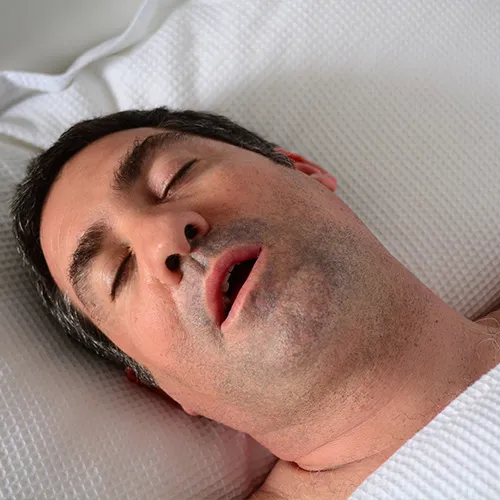
Sleep Apnea is a serious and surprisingly common sleep disorder that affects millions of people worldwide. Its prevalence often goes unnoticed as many who suffer are unaware of the condition. This disorder is characterized by repeated interruptions in breathing during sleep, with each pause often referred to as an "apnea."
The Biology Behind Sleep Apnea
The two primary forms of sleep apnea are obstructive sleep apnea (OSA) and central sleep apnea (CSA). OSA, the most common type, occurs when the muscles at the back of your throat relax too much during sleep, causing a physical blockage. The brain, detecting a drop in oxygen, prompts you to wake up and breathe, disrupting your sleep.
CSA, less common, is when the brain doesn't send proper signals to the muscles that control breathing. This type of sleep apnea is often associated with serious illnesses, such as heart disease, stroke, and kidney failure.
What Causes Sleep Apnea?
There are various risk factors that can heighten the likelihood of developing sleep apnea. Here's a closer look:
Overweight/Obesity: Excess body weight is a significant risk factor for OSA. Extra fat deposits around your upper airway can obstruct your breathing. The American Thoracic Society reports that approximately 70% of people with OSA are overweight or obese. This doesn't mean that slim people are immune—OSA can affect individuals of all body types, but the risk is higher for those carrying extra pounds.
Age: Sleep apnea can affect individuals of any age, including children. However, it's more prevalent in adults aged 40 and above. Aging affects muscle tone and function throughout the body, including those that keep the airway open during sleep. It's worth noting that the prevalence of sleep apnea increases considerably in postmenopausal women, possibly due to decreased progesterone levels, which might affect the neuromuscular control of the upper airway.
Gender: Men are roughly twice as likely to develop sleep apnea compared to women. Researchers believe this disparity may relate to differences in how men and women gain weight and where they store fat. However, the gap narrows after women reach menopause, suggesting that hormones may also play a role.
Family History and Genetics: Sleep apnea can run in families, suggesting a genetic predisposition. You're more likely to develop sleep apnea if you have family members with the condition. Specific genes have been associated with OSA, including those that affect sleep and wakefulness, control the body's inflammatory response, or dictate body fat distribution and obesity.
Smoking and Alcohol: Both of these substances have been linked to an increased risk of sleep apnea. Smokers are three times more likely to have OSA than people who've never smoked. Smoking can increase inflammation and fluid retention in the upper airway. Alcohol and certain medications can relax the muscles in the back of your throat, interfering with breathing.
Nasal Congestion: If you have difficulty breathing through your nose — whether from an anatomical problem or allergies — you're more likely to develop obstructive sleep apnea.
It's important to note that while these factors can increase risk, they do not guarantee the onset of sleep apnea, and individuals without these risk factors can still develop the disorder. If you suspect you might have sleep apnea, reaching out to a healthcare professional or a sleep specialist is always the best course of action.
How Do They Diagnose Sleep Apnea?
Sleep apnea is a sleep disorder that can often go undetected, making diagnosis crucial to prevent potential health risks. The diagnosis often encompasses multiple stages, involving a blend of at-home sleep studies and in-lab tests.
Signs and Symptoms: The First Step
The initial suspicion of sleep apnea typically springs from observing common symptoms. It's important to remember that these symptoms might not always be noticeable to those affected, as they usually occur during sleep. However, symptoms that are felt during waking hours or reported by a sleep partner can offer initial insights.
Chronic Snoring: This is one of the most noticeable indicators of sleep apnea. It's important to note that not all snorers have sleep apnea, but a sudden cessation of snoring followed by gasping or choking could point towards the condition.
Daytime Fatigue: People with sleep apnea repeatedly wake up during the night, which could result in chronic daytime sleepiness, also known as hypersomnia. This could manifest as a general lack of energy, falling asleep unintentionally during the day, or difficulty staying awake while sitting still, watching television, or driving.
Nocturnal Symptoms: Waking up with a dry mouth, sore throat, or headache are other potential indications of sleep apnea. These symptoms may result from the frequent disruptions in sleep and lowered oxygen levels caused by the condition.
Mood Changes and Cognitive Difficulties: Individuals with sleep apnea might also experience irritability, mood swings, depression, and difficulty concentrating. The lack of restorative sleep can affect mood regulation and cognitive functions.
High Blood Pressure: Sleep apnea could also be associated with hypertension. Repeated awakenings during sleep, combined with low oxygen levels, can cause increases in blood pressure and put strain on the cardiovascular system.
The Professional Diagnosis: In-depth Analysis
Once these symptoms have been recognized, the next vital step is to seek professional help. Sleep specialists can conduct a more in-depth analysis using advanced diagnostic tools.
Polysomnography: This is the gold standard for diagnosing sleep apnea. The comprehensive overnight sleep test involves the monitoring of heart, lung, and brain activity, breathing patterns, arm and leg movements, and blood oxygen levels throughout the sleep period. The test helps detect any abnormal events during sleep and can provide a definitive diagnosis.
Home Sleep Test: In some instances, sleep specialists might suggest a home sleep test. This is a more accessible and simplified version of polysomnography. The test monitors vital parameters like heart rate, blood oxygen level, airflow, and breathing patterns. While it might not provide a complete picture as polysomnography does, it can be instrumental in indicating the presence of sleep apnea.
Physical Examination and Medical History: The diagnosis might also involve a detailed physical examination, including an evaluation of the throat, neck, and nasal passages. A comprehensive review of the patient's medical history, lifestyle habits, and sleep patterns also plays a critical role in diagnosing sleep apnea.
These assessments collectively help specialists diagnose the severity and type of sleep apnea, setting the stage for an effective treatment plan. So, if you suspect that you or your loved ones might be dealing with sleep apnea, don't delay reaching out to a healthcare professional.
How Can You Stop Sleep Apnea?
When diagnosed with sleep apnea, treatment is vital to avoid long-term health complications such as heart disease, stroke, or cognitive difficulties.
Lifestyle Changes: In mild cases of sleep apnea, simple lifestyle changes might be recommended. This could involve losing weight, quitting smoking, or cutting back on alcohol.
Medical Devices and Surgery: For moderate to severe cases, treatments may include continuous positive airway pressure (CPAP) devices or other types of airway pressure devices. If these aren't effective or can't be tolerated, different types of surgery might be suggested, such as tissue removal or jaw repositioning.
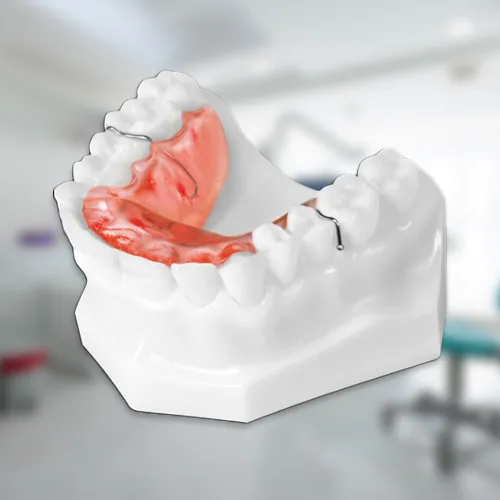
The Dental Approach: Dentists can play a crucial role in managing sleep apnea, especially for those with mild to moderate OSA. Oral appliances designed to keep your throat open, such as mandibular advancement devices (MADs), can be used. These devices, similar to mouthguards, work by easing your jaw forward to help keep your airway open.
If you're struggling with sleep apnea symptoms, booking a consultation with our clinic could be your first step to a restful night's sleep. Our experienced team can guide you on the best path to managing and potentially overcoming your sleep apnea.
Remember, sleep is not a luxury but a necessity for a healthy, fulfilling life. Don't let sleep apnea keep you from getting the rest you need. Reach out today and take the first step towards improving your sleep health.





















OUR RECENT POSTS
Check us out and follow our Los Alamitos, California practice on social media...