Sleep apnea is a common but often misunderstood condition that can significantly impact one's health and quality of life. At our dental clinic, we frequently encounter questions about this disorder, and we're committed to providing accurate, comprehensive information to our patients. In this blog post, we'll delve into some frequently asked questions about sleep apnea, dispelling myths and highlighting crucial facts. Our goal is to enhance your understanding and encourage you to seek professional consultation for personalized advice and treatment.
What Are the Chances I Have Sleep Apnea?
Sleep apnea, a condition characterized by repeated interruptions in breathing during sleep, is more prevalent than most people realize, affecting millions across the globe. If you're wondering about your own risk, this section provides a deeper understanding of its prevalence, risk factors, and the signs to watch for.
Prevalence and Risk Factors
Sleep apnea transcends demographic boundaries, impacting individuals of various ages, genders, and body types. Despite this, certain factors notably elevate the likelihood of its development.
- Obesity: Excess body weight, particularly around the neck, can constrict airways during sleep.
- Family History: Genetics play a role. A family history of sleep apnea or related respiratory issues increases your risk.
- Smoking: Smokers are more likely to develop sleep apnea, as smoking can increase inflammation and fluid retention in the upper airway.
- Medical Conditions: Conditions like hypertension, diabetes, and heart disorders are often linked with sleep apnea. Hormonal imbalances, polycystic ovary syndrome (PCOS), and thyroid issues can also elevate risk.
- Age: While it can occur at any age, the risk increases as you get older due to the natural relaxation of throat muscles.
- Gender: Men are more likely to suffer from sleep apnea, although the risk for women increases after menopause.
- Alcohol and Sedatives: These substances relax the muscles in your throat, which can worsen sleep apnea.
Recognizing the Signs
Detecting sleep apnea early is crucial for effective management. Common symptoms to look out for include:
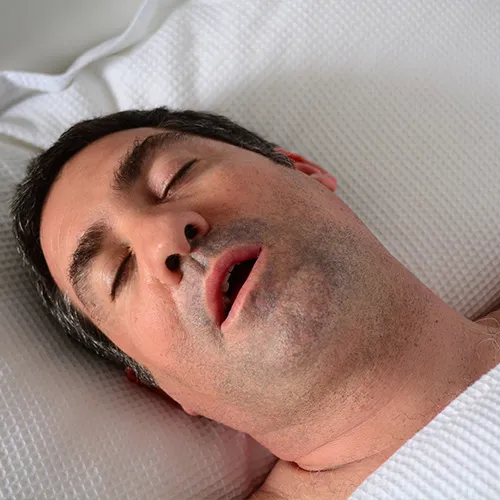
- Loud Snoring: Often the most noticeable sign, particularly if it's severe enough to disturb your or your partner's sleep.
- Daytime Fatigue: Despite getting a full night's sleep, you might feel excessively sleepy during the day, a sign that your sleep quality is compromised.
- Dry Mouth or Sore Throat Upon Waking: These symptoms can indicate that your airway was obstructed during sleep.
- Nighttime Awakening: Frequently waking up gasping or choking is a significant red flag.
- Morning Headaches: Lack of oxygen during the night can lead to headaches upon waking.
- Difficulty Concentrating: Sleep apnea can lead to cognitive issues like memory problems or difficulty focusing.
- Mood Changes: Irritability, depression, or mood swings can be associated with poor sleep quality.
When to Seek Professional Evaluation
If you notice these symptoms, especially in combination, it's prudent to consult a healthcare professional. While primary care physicians can offer initial guidance, a sleep specialist or a visit to our dental clinic, particularly for cases involving snoring and breathing interruptions, can provide a more targeted evaluation. Remember, early detection and treatment of sleep apnea can prevent or mitigate associated health risks, such as cardiovascular problems, and improve your overall quality of life.
What Age Does Sleep Apnea Occur?
Sleep apnea, a condition marked by periodic pauses in breathing during sleep, is not confined to any specific age group. Its occurrence and characteristics, however, do vary significantly across different life stages.
In Adults
While obstructive sleep apnea (OSA) is more commonly identified in middle-aged and older adults, it is important to understand that it can affect adults of all ages. Factors contributing to its prevalence in adults include:
- Physiological Changes: As people age, muscle tone in the throat decreases, and fatty tissue can increase, especially in those who are overweight. These changes can obstruct the airway during sleep.
- Lifestyle Factors: Habits like smoking, alcohol consumption, and sedentary lifestyles can exacerbate the risk of developing sleep apnea.
- Chronic Health Conditions: Conditions such as hypertension, diabetes, and obesity are more common in adults and are closely linked with sleep apnea.
In Children
Sleep apnea is not just an adult problem; it also affects children, albeit with different causes and implications.
- Enlarged Tonsils or Adenoids: The most common cause of sleep apnea in children is enlarged tonsils and adenoids, which can block the airway during sleep.
- Developmental Implications: In children, untreated sleep apnea can have serious consequences on their physical growth, behavior, and academic performance. It can lead to problems like hyperactivity, learning difficulties, and social challenges.
- Symptoms to Watch: Children with sleep apnea may exhibit symptoms like snoring, restless sleep, bedwetting, and daytime drowsiness. Unlike adults, children may not necessarily feel tired during the day but may show signs of behavioral issues or decreased attention span.
Can Skinny People Have Sleep Apnea?
A common misconception is that only overweight individuals can develop sleep apnea. This section will challenge that myth, exploring how and why thin individuals can also be affected.
Beyond Body Weight:
While obesity is a significant risk factor, sleep apnea doesn't solely depend on weight. Factors like genetics, muscle tone, and the structure of the jaw and airway play crucial roles.
Understanding the Risk:
Even if you're not overweight, it's important to be aware of other signs and risk factors of sleep apnea. If you experience symptoms like disrupted sleep or excessive daytime sleepiness, don't dismiss them based on your weight alone.
Can Sleep Apnea Kill You?
Sleep apnea is not just a nuisance; it can have severe health implications if left untreated.
The Direct Impact:
While sleep apnea itself is not usually directly fatal, its complications can be serious. Chronic sleep deprivation and repeated oxygen deprivation can lead to conditions like hypertension, heart disease, and stroke.
The Indirect Consequences:
Moreover, the fatigue caused by sleep apnea can lead to accidents and impair daily functioning. It's crucial to understand these risks and seek timely intervention.
Conclusion
Sleep apnea is a complex condition with wide-ranging implications for your health and well-being. If you suspect you or a loved one may have sleep apnea, we encourage you to schedule a consultation at our dental clinic. Our expert team is equipped to provide comprehensive evaluations and personalized treatment plans. Remember, addressing sleep apnea is not just about improving sleep; it's about enhancing your overall quality of life.






















OUR RECENT POSTS
Check us out and follow our Los Alamitos, California practice on social media...