Temporomandibular joint (TMJ) disorders affect millions of people worldwide, causing pain and discomfort in the jaw and surrounding areas. But can TMJ be cured? In this blog, we'll dive into the world of TMJ disorders to explore the seriousness of the condition, the sensations of TMJ pain, and the potential consequences of untreated TMJ. By the end of this post, you'll have a better understanding of TMJ disorders and how to approach treatment for relief and long-term wellness.
What does TMJ pain feel like?
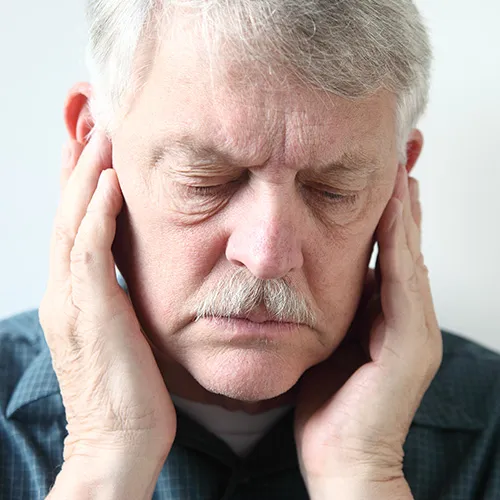
TMJ pain can manifest in various ways, with some individuals experiencing a dull, aching sensation, and others describing sharp or throbbing pain. Common symptoms of TMJ disorders include:
- Pain or tenderness in the jaw, especially near the joint
- Aching pain around the ear
- Difficulty chewing or a sudden, uncomfortable bite
- Facial pain or swelling
- Limited range of motion in the jaw
- Locking or sticking of the jaw joint
- Headaches or migraines
- Clicking, popping, or grating sounds when opening or closing the mouth
It's essential to recognize that TMJ pain may not be constant and can come and go. Some individuals may only experience symptoms during periods of stress, while others may find their pain intensifies during specific activities, such as eating or speaking.
What will happen if TMJ is not treated?
If left untreated, TMJ disorders can lead to various complications that negatively impact your quality of life. Potential consequences of untreated TMJ include:
- Chronic pain: Ongoing jaw pain, headaches, and facial discomfort can make daily activities challenging and lead to a decreased quality of life.
- Difficulty eating and speaking: As TMJ disorders progress, it may become increasingly challenging to chew and speak comfortably.
- Dental issues: TMJ disorders can lead to uneven wear on teeth, cracked or damaged teeth, and even tooth loss in severe cases.
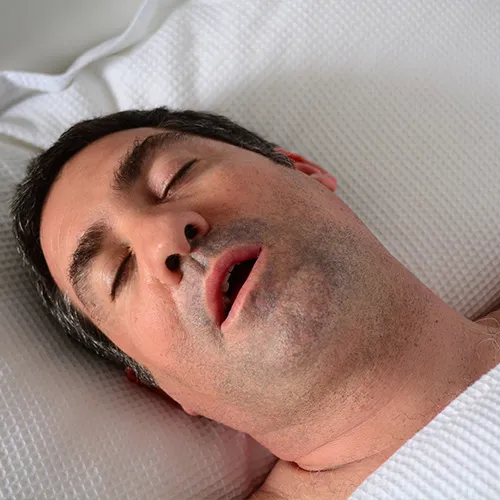
- Sleep disturbances: The discomfort and pain associated with TMJ disorders can make it difficult to sleep or lead to sleep disorders, such as sleep apnea.
- Permanent joint damage: Prolonged inflammation and strain on the temporomandibular joint can result in permanent damage, such as arthritis or joint degeneration.
Can TMJ be cured?
The answer to this question depends on the severity and underlying cause of your TMJ disorder. In many cases, TMJ symptoms can be effectively managed or even eliminated with appropriate treatment. However, it's essential to recognize that there is no one-size-fits-all solution, and treatment plans should be tailored to the individual's needs.
How do you permanently cure TMJ?
While there may not be a one-size-fits-all permanent cure for TMJ disorders, many individuals can find long-lasting relief and improved quality of life through a comprehensive treatment approach. The key to achieving lasting results is to address the underlying causes of your TMJ disorder and commit to a personalized treatment plan. Here are some steps you can take to work towards a permanent solution for your TMJ symptoms:
- Identify and address the root causes: TMJ disorders can result from various factors, such as stress, teeth grinding, jaw clenching, misaligned teeth, or even trauma. Identifying the primary cause of your TMJ disorder is crucial to developing a targeted treatment plan.
- Commit to a personalized treatment plan: Work closely with your healthcare providers to create a comprehensive treatment plan tailored to your specific needs. This may include a combination of home remedies, medications, physical therapy, oral appliances, and behavioral therapy.
- Maintain healthy habits: Incorporate lifestyle changes that promote jaw health and reduce stress on the temporomandibular joint. This may include maintaining proper posture, practicing relaxation techniques, and avoiding habits that exacerbate TMJ symptoms, such as excessive gum chewing or nail-biting.
- Regular dental check-ups: Regular visits to your dentist can help monitor your TMJ disorder and ensure that your treatment plan remains effective. Your dentist can also detect and address any dental issues that may contribute to your TMJ symptoms.
- Adjust your treatment plan as needed: As you progress through your treatment plan, it's essential to communicate with your healthcare providers and make adjustments as necessary. If you find that certain treatments aren't providing the desired relief, don't be afraid to explore alternative options.
- Consider surgical intervention if necessary: In rare cases where conservative treatments fail to provide lasting relief, your healthcare provider may recommend surgical intervention. Surgery should always be considered a last resort, and it's crucial to weigh the potential benefits and risks carefully.
By taking a proactive approach to managing your TMJ disorder and committing to a personalized treatment plan, you can work towards lasting relief and improved quality of life. Remember that achieving long-term results may require patience, persistence, and ongoing collaboration with your healthcare providers.
Treatment options for TMJ disorders include:
- Home remedies: In mild cases, self-care measures such as eating soft foods, applying ice or heat packs, and practicing relaxation techniques can help alleviate TMJ symptoms.
- Over-the-counter pain relievers: Non-prescription pain medications, such as ibuprofen or acetaminophen, can help manage pain and inflammation associated with TMJ disorders.
- Prescription medications: In some cases, your healthcare provider may prescribe stronger pain relievers, muscle relaxants, or anti-inflammatory medications to manage TMJ symptoms.
- Physical therapy: Physical therapists can teach you exercises and techniques to strengthen the muscles surrounding the jaw joint, improve jaw mobility, and alleviate pain.
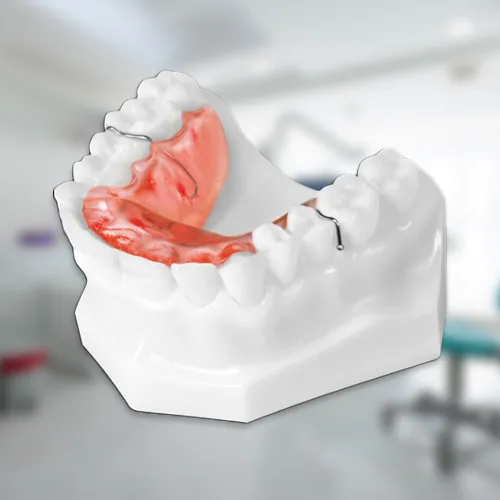
- Oral appliances: Dentists and orthodontists may recommend custom-made oral appliances, such as splints or mouth guards, to help stabilize the jaw joint, reduce clenching and grinding, and alleviate TMJ symptoms.
- Behavioral therapy: Cognitive-behavioral therapy (CBT) and other forms of counseling can help you identify and modify behaviors that contribute to TMJ disorders, such as teeth grinding or jaw clenching.
- Alternative therapies: Some individuals find relief from TMJ symptoms through alternative therapies, such as acupuncture, massage, or chiropractic care.
In more severe cases or when conservative treatments fail to provide adequate relief, your healthcare provider may recommend surgical intervention. However, surgery is typically considered a last resort and is only recommended when the potential benefits outweigh the risks.
Conclusion
While there may not be a definitive "cure" for TMJ disorders, many individuals find relief from their symptoms through a combination of treatments tailored to their specific needs. If you're struggling with TMJ pain and discomfort, it's essential to seek professional help and begin exploring your treatment options.
At our dental clinic, we understand the challenges of living with TMJ disorders and are committed to helping you find the relief you deserve. Don't let TMJ pain hold you back any longer – schedule a consultation with our team today and take the first step towards a healthier, more comfortable life.




























OUR RECENT POSTS
Check us out and follow our Los Alamitos, California practice on social media...