Sleep apnea is more than just an occasional snore—it's a disruption, a disturbance, and for many, a real hindrance to achieving that coveted good night's sleep. But what if the solution was as simple as tweaking the way you sleep or making minor lifestyle changes? For those grappling with sleep apnea, the key to a peaceful night might just lie in understanding the condition and adjusting your habits accordingly. In this guide, we'll explore the best sleeping positions, natural remedies, and common aggravators of sleep apnea. Whether you've been navigating the challenges of sleep apnea for years or are newly diagnosed, this blog aims to provide actionable insights to help you achieve the restful sleep you deserve.
What Sleep Position is Best for Sleep Apnea?
When it comes to sleep apnea, not all sleeping positions are created equal. The way you lay your head at night can have a significant impact on your airway, making some positions more conducive to a restful night than others.
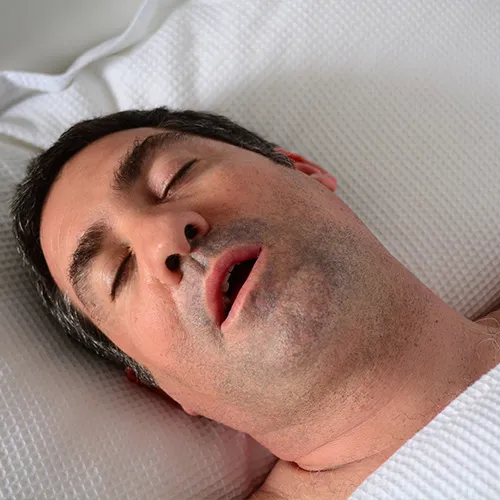
On Your Back – Think Again!
The supine position, or lying on your back, is often the most comfortable for many. However, for those with sleep apnea, this can be the worst position. Why? Gravity can cause the tongue and soft palate to collapse backward into the throat, obstructing the airway. The result? Snoring, choking, and disrupted sleep.
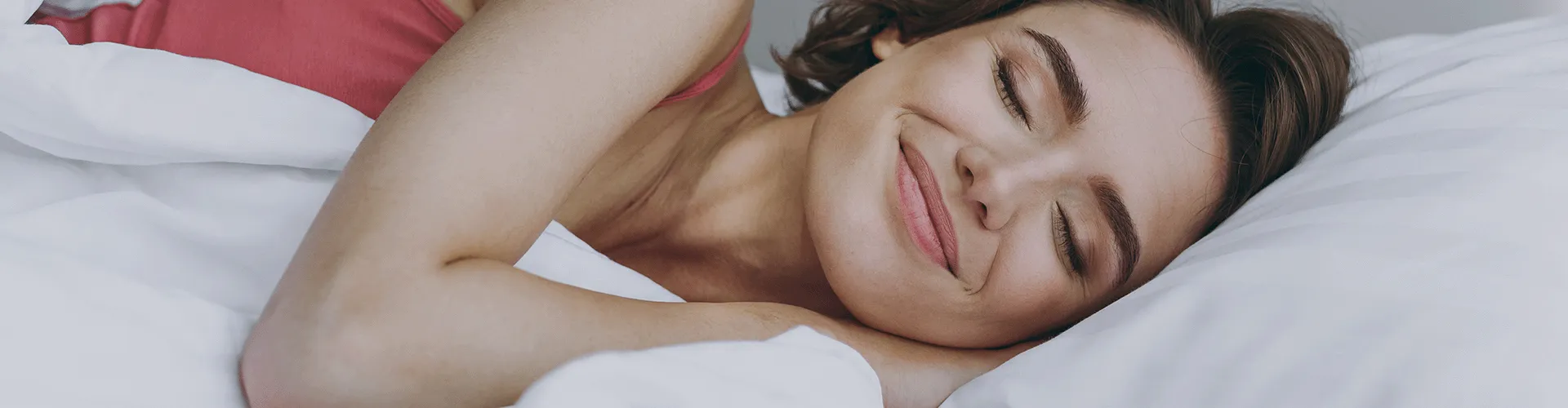
Side Sleeping – The Sleep Apnea Hero
Lying on your side, especially the left side, has been shown to be the best position for those with sleep apnea. In this position, your airway remains more open, lessening the chance of obstructions.
Tip: If you're not naturally a side sleeper, consider using a body pillow to support your posture throughout the night.
How Can I Fix Sleep Apnea Naturally?
Seeking a natural remedy for sleep apnea doesn't mean avoiding medical advice. Instead, it's about integrating lifestyle changes that can potentially reduce the severity of the condition.
Dietary Adjustments
Excess weight, especially around the neck, can exert pressure on the airway, making sleep apnea worse. A balanced diet not only helps shed those extra pounds but also ensures better overall health. Consider foods rich in Omega-3s, magnesium, and potassium.
Exercise: Not Just For Weight Loss
While losing weight can help, exercise on its own can strengthen the muscles around the airway, making them less likely to collapse. Simple exercises like brisk walking, yoga, or even singing can help!
Stay Hydrated
Drinking enough water helps maintain soft tissue and the mucus in the throat, ensuring smoother airflow.
Limit Alcohol and Sedatives
Both can relax the muscles of the throat, increasing the risk of obstruction. Consider limiting intake, especially before bedtime.
What Aggravates Sleep Apnea?
Sleep apnea can be tricky. Sometimes, things we consider mundane can exacerbate the condition, leading to a worse night's sleep. Let's delve into some of these.
Alcohol and Smoking
We touched on alcohol earlier, but it's worth repeating. Alcohol can over-relax throat muscles. Similarly, smoking can cause inflammation and fluid retention in the airway. Both are bad news for sleep apnea sufferers.
Nasal Congestion
If you can't breathe through your nose due to an anatomical issue or allergies, you're more likely to experience obstructive sleep apnea. Consider using saline sprays or seeing an allergist if allergies are the root cause.
Medications
Certain medications, especially sedatives and some blood pressure drugs, can worsen sleep apnea. Always consult with your doctor if you suspect a medication might be affecting your sleep.
Back Sleeping
Yep, it’s back on the list. If side sleeping isn't for you, consider elevating the head of your bed by a few inches. This slight incline can make all the difference.
The Role of Oral Appliances in Managing Sleep Apnea
Dental Solutions for a Respiratory Concern? Absolutely!
When we think of sleep apnea, dental solutions might not be the first remedy that comes to mind. However, the mouth is the gateway to our respiratory system, and how we position our oral structures can significantly impact airflow.
Mandibular Advancement Devices (MADs): The Jaw's Role in Sleep
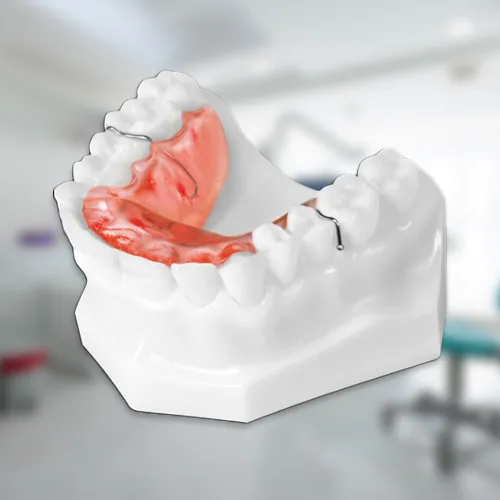
One of the popular dental solutions for sleep apnea is the Mandibular Advancement Device (MAD). It looks similar to a sports mouthguard but serves a very different purpose. MADs work by repositioning the lower jaw forward, which in turn can open up the airway, allowing for better airflow. This subtle shift can mean a world of difference for those with mild to moderate sleep apnea.
Tongue Retaining Devices: Keeping the Tongue in Cheek
Another ingenious dental solution is the tongue retaining device. This gadget holds the tongue forward to prevent it from falling back into the throat, a common issue, especially for back sleepers. It’s particularly suitable for individuals who can't use MADs for any reason.
Making the Right Choice: Consultation is Key
While these devices sound promising, they aren’t one-size-fits-all solutions. Everyone's oral anatomy is unique, which is why consultation with experts, like those at our dental clinic, is crucial. We can assess your specific needs, make recommendations, and custom-fit these devices for maximum comfort and efficiency.
Taking Charge of Your Sleep Apnea Journey
Sleep apnea, for many, represents more than just an occasional disturbance; it symbolizes nights of interrupted dreams, days of fatigue, and a constant quest for deep, refreshing sleep. But there's hope and promise on the horizon. By equipping yourself with knowledge, whether it's about the optimal sleeping positions, beneficial lifestyle changes, or understanding those sneaky aggravators, you can regain control over your nocturnal hours.
Natural remedies, while simple, can often yield profound benefits. Something as basic as your sleeping posture or being conscious about your evening meal can usher in changes in how you feel every morning. And while it might seem daunting at first, remember that even small changes, when consistent, can create lasting impacts.
Moreover, the journey doesn’t need to be taken alone. Experts, equipped with both knowledge and experience, can provide insights tailored just for you. If uncertainties persist or if you're intrigued by the potential of dental solutions, a consultation might be the missing puzzle piece. Our clinic doesn’t just offer procedures; we offer guidance, understanding, and a commitment to helping you sleep soundly once more.
After all, everyone deserves a good night's sleep, and with the right approach, even those battling sleep apnea can embrace the dawn feeling rejuvenated and ready for the day ahead. We invite you to reach out, explore your options, and embark on a journey towards better, more restful nights.













OUR RECENT POSTS
Check us out and follow our Los Alamitos, California practice on social media...