Are you tired of waking up feeling groggy and unrested, with a nagging ache in your jaw? If this sounds all too familiar, you might be suffering from a condition called Temporomandibular Joint Disorder (TMJ). But don't worry, you're not alone! Millions of people across the globe experience TMJ-related symptoms, and many of them may not even realize that their jaw problems are impacting their sleep.
In today's blog post, we're diving deep into the fascinating connection between TMJ and sleep quality. We'll explore how this seemingly small joint can cause big problems for your shut-eye, and more importantly, we'll share some tips and tricks to help you reclaim those precious hours of slumber.
What's Really Going On in Your Jaw?
The temporomandibular joint (TMJ) is a small yet incredibly complex joint that connects your lower jaw (mandible) to your skull (temporal bone) right in front of your ears. It's responsible for all those essential movements like chewing, talking, and yawning - basically, anything that requires opening or closing your mouth.
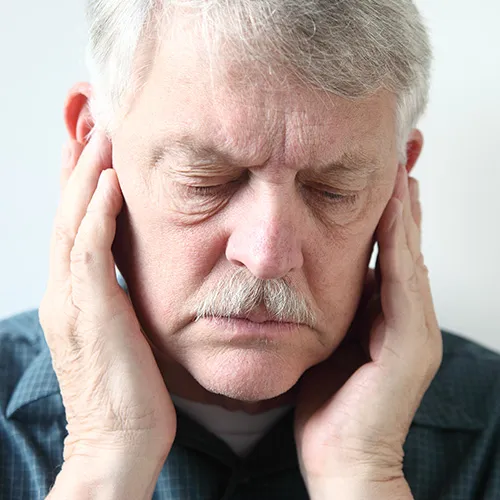
When everything's working smoothly, you probably don't give your TMJ a second thought. But when things go awry, it can lead to a range of uncomfortable symptoms like jaw pain, headaches, earaches, and even difficulty opening or closing your mouth. This is what we call Temporomandibular Joint Disorder or TMJ Disorder, and it can seriously mess with your sleep. Here's how:
- Painful disruptions: One of the most obvious ways TMJ can impact your sleep is through pain. If you're dealing with jaw discomfort or headaches from TMJ, it's a lot harder to fall asleep or stay asleep. Your body might even try to "protect" you from the pain by preventing you from entering a deep sleep stage, leaving you feeling less rested in the morning.
- Sleep bruxism: Many people with TMJ also experience sleep bruxism - a fancy term for teeth grinding or clenching during sleep. Not only does this contribute to more jaw pain and disrupted sleep, but it can also lead to worn-down teeth and other dental issues.
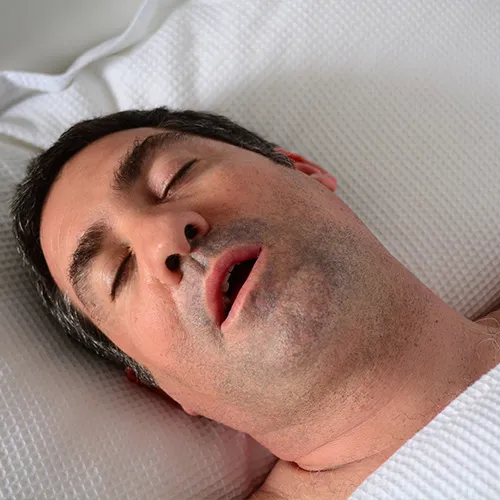
- Sleep apnea connection: Research has found a link between TMJ and sleep apnea, a potentially serious sleep disorder where breathing repeatedly stops and starts during sleep. This can happen because TMJ-related issues may cause changes in your airway, making it more prone to collapse. When your brain senses you're not getting enough oxygen, it wakes you up, resulting in fragmented sleep and daytime fatigue.
What Is The Best Treatment for TMJ?
It's always a good idea to consult with a healthcare professional or your dentist for personalized advice, but these tips can serve as a great starting point:
- Establish a bedtime routine: Creating a consistent bedtime routine can signal to your body that it's time to wind down and sleep. This may include activities like reading, taking a warm bath, or practicing relaxation techniques such as deep breathing or meditation.
- Mind your sleeping position: Sleeping on your back with a supportive pillow can help take the pressure off your jaw and reduce the likelihood of teeth grinding. Avoid sleeping on your stomach, as this can strain your jaw and neck muscles.
- Manage stress: Stress can exacerbate TMJ symptoms and contribute to teeth grinding. Incorporate stress-reducing activities into your daily routine, like exercise, yoga, or mindfulness practices.
- Invest in a mouthguard: A custom-fitted mouthguard can help protect your teeth and jaw from the damaging effects of teeth grinding during sleep. Talk to your dentist about getting one that's right for you.
- Seek professional help: If your TMJ symptoms persist or worsen, it's important to consult a dental professional experienced in treating TMJ disorders. They can assess your specific situation, provide personalized recommendations, and offer a range of treatment options to help alleviate your symptoms and improve your sleep.
When Should I See A Doctor for TMJ?
While it's normal to experience occasional jaw discomfort or tension, there are certain signs that it's time to consult a doctor or dentist for your TMJ concerns. Keep an eye out for these red flags:
- Persistent pain: If you're experiencing ongoing jaw pain, headaches, or earaches that don't seem to improve or go away, it's a good idea to schedule an appointment with your healthcare provider. Persistent pain can be a sign of an underlying TMJ issue that requires expert attention.
- Limited jaw movement: If you're having difficulty opening or closing your mouth, or if your jaw seems to "lock" or "stick" in place, it's time to seek professional help. Limited jaw movement can indicate a more severe TMJ disorder that needs prompt attention.
- Noisy jaw joint: While some jaw noises like clicking or popping can be pretty common (and not always a cause for concern), if these sounds are accompanied by pain or limited jaw movement, it's best to consult a dental professional to rule out any underlying issues.
- Unexplained tooth damage: If you're noticing signs of tooth wear, such as flattened or chipped teeth, it could be an indication of teeth grinding caused by TMJ. A dentist can assess the situation and recommend appropriate treatment to prevent further damage.
- Sleep disturbances: If your TMJ symptoms are affecting your sleep quality, causing you to wake up frequently or struggle to fall asleep, it's crucial to address the issue with a healthcare professional before it takes a toll on your overall health and well-being.
Remember, early intervention can make a world of difference when it comes to managing TMJ disorders and improving your sleep quality.
What Can A Dentist Do for TMJ?
At Aviara Centers, we understand the frustration and discomfort that come with TMJ disorders, and we're here to help you regain control of your sleep and well-being. Our skilled and compassionate dental team has extensive experience in diagnosing and managing TMJ-related issues, and we're dedicated to providing top-notch care tailored to your unique needs.
When you visit our clinic, we'll start with a thorough examination to determine the root cause of your TMJ symptoms. This may include an evaluation of your jaw joint, muscles, bite, and dental history. From there, we can create a customized treatment plan designed to address your specific concerns and promote better sleep. Our comprehensive approach may involve a combination of strategies, such as:
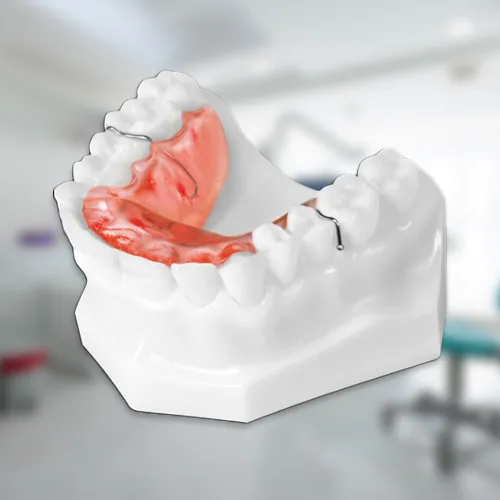
- Oral appliances: We can design custom-made oral appliances, like splints or nightguards, to help alleviate jaw pain, reduce teeth grinding, and prevent further damage to your teeth and jaw joint.
- Physical therapy: Gentle jaw exercises and stretches can help strengthen and relax your jaw muscles, improving function and reducing pain.
- Medication: In some cases, we may recommend over-the-counter pain relievers or prescription medications to help manage your symptoms and promote better sleep.
- Lifestyle modifications: Our team can provide guidance on healthy habits, such as stress management techniques and sleep hygiene practices, to support your overall well-being and improve your sleep.
Sweet Dreams Are Made of This: TMJ Relief and Better Sleep Await
In conclusion, TMJ disorders can be sneaky sleep-stealers, causing pain, discomfort, and restlessness that can seriously impact your quality of life. But, with the right knowledge, strategies, and professional guidance, you can tackle TMJ head-on and reclaim those precious hours of slumber.
Whether you're new to the world of TMJ or have been struggling with it for years, we hope this blog post has shed some light on the connection between your jaw and sleep, and empowered you with tips to improve your rest. And remember, at Aviara Centers, we're always here to support you on your journey to a healthier jaw and more restful nights. Don't hesitate to reach out to us if you need expert advice, personalized treatment plans, or just a friendly ear to listen to your concerns.




























OUR RECENT POSTS
Check us out and follow our Los Alamitos, California practice on social media...