Cleft palate is a common condition that affects people of all ages and backgrounds. Despite its prevalence, many individuals are unaware of the causes, symptoms, and treatment options for cleft palate. That's why we're thrilled to share this blog post with you. As a dental clinic dedicated to supporting our patients' health and wellbeing, we believe that education and awareness are key to overcoming any obstacle.
In this blog post, we'll cover everything you need to know about cleft palate, from its impact on oral health to the latest advancements in treatment. Our goal is to provide a comprehensive resource for individuals with cleft palates and their loved ones, helping them make informed decisions and feel empowered to take control of their health.
Why Does a Cleft Palate Happen?
Cleft palate is a condition that occurs when the tissue that forms the roof of the mouth fails to fuse properly during fetal development. This can result in a gap, or cleft, in the roof of the mouth that can extend into the upper lip. While the exact cause of cleft palate is unknown, research suggests that both genetic and environmental factors can contribute to its development.
Studies have shown that a family history of cleft palate can increase the risk of a child developing the condition. In some cases, cleft palate may also be linked to certain genetic syndromes. However, the majority of cases of cleft palate occur sporadically, with no known genetic cause.
Environmental factors can also play a role in the development of cleft palate. Maternal factors such as smoking, alcohol consumption, and certain medications have been shown to increase the risk of cleft palate in babies. Additionally, exposure to certain chemicals or infections during pregnancy can also increase the likelihood of cleft palate.
Overall, cleft palate is a complex condition with multiple possible causes. While it's not always possible to pinpoint the exact reason why a cleft palate occurs, understanding the potential risk factors can help individuals and their families make informed decisions about their health and prenatal care.
What are the Signs and Symptoms of Cleft Palate?
The signs and symptoms of cleft palate can vary depending on the severity and location of the cleft. Some individuals may have a small, barely noticeable cleft, while others may have a large, open cleft that extends into the upper lip. In general, the following are common signs and symptoms of cleft palate:
- A visible gap or split in the roof of the mouth or upper lip
- Difficulty feeding or swallowing, which may result in poor weight gain or malnutrition
- Speech difficulties, including problems with articulation and clarity
- Increased risk of ear infections, hearing loss, and dental problems, such as tooth decay and gum disease
- Chronic nasal congestion or breathing difficulties, particularly during sleep
It's important to note that not all individuals with cleft palate will experience all of these symptoms. However, any of these signs or symptoms should be evaluated by a healthcare professional, as early intervention and treatment can significantly improve outcomes.
If you suspect that you or your child may have a cleft palate, it's important to seek out the care of a qualified healthcare provider. A comprehensive evaluation, including a physical examination and diagnostic testing, can help determine the severity of the cleft and the most appropriate treatment options. In the next section, we'll discuss some of the treatment options available for cleft palate.
Can a Cleft Palate Heal On Its Own?
While some minor cases of cleft palate may heal on their own without intervention, most cases require treatment to improve speech, oral health, and overall quality of life. In many cases, surgery is necessary to repair the cleft and restore proper function of the mouth and surrounding structures.
The timing of cleft palate surgery depends on the severity of the cleft and the overall health of the patient. In general, surgery is usually recommended between 6 and 18 months of age to allow for proper growth and development of the mouth and surrounding structures. However, some children may need to wait until they are older to undergo surgery, particularly if they have other medical conditions or complications.
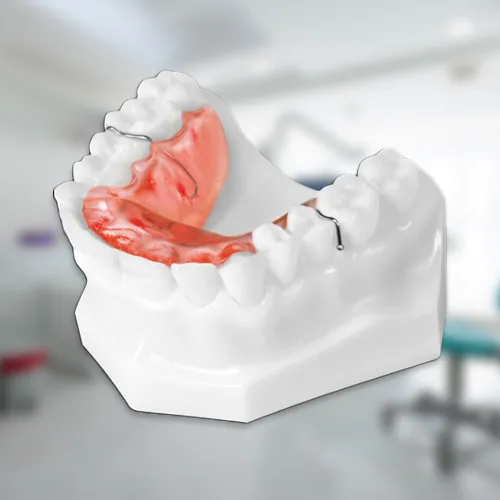
Cleft palate surgery typically involves closing the gap in the roof of the mouth and rebuilding the surrounding structures to allow for proper speech, feeding, and oral health. In some cases, additional surgeries may be necessary to address ongoing complications such as dental problems, hearing loss, or speech difficulties.
In addition to surgery, individuals with cleft palate may require ongoing support and care from a team of healthcare providers, including dentists, orthodontists, speech therapists, and ear, nose, and throat specialists. Together, these providers can help ensure that individuals with cleft palate receive the comprehensive care and support they need to thrive.
What Happens If Cleft Palate is Not Treated?
If left untreated, cleft palate can lead to a variety of complications that can affect speech, feeding, oral health, and overall quality of life. Some of the potential consequences of untreated cleft palate include:
- Speech difficulties: Cleft palate can significantly impact speech and language development, making it difficult to articulate certain sounds and words. This can lead to communication difficulties and even social isolation.
- Feeding difficulties: Cleft palate can make it difficult for infants to breastfeed or bottle-feed, leading to poor weight gain and malnutrition. Additionally, individuals with cleft palate may have difficulty chewing and swallowing solid foods, leading to ongoing nutritional challenges.
- Dental problems: Cleft palate can lead to a variety of dental problems, including tooth decay, gum disease, and misaligned teeth. These issues can affect the function and appearance of the teeth and may require ongoing dental care and intervention.
- Hearing problems: Individuals with cleft palate are at an increased risk of developing ear infections and hearing loss. This can impact speech development and overall quality of life.
- Social and emotional challenges: The physical appearance and functional challenges of cleft palate can lead to social and emotional challenges, including anxiety, depression, and low self-esteem.
Fortunately, with early intervention and comprehensive care, many of these complications can be minimized or even avoided altogether. That's why it's so important to seek out the care of a qualified healthcare provider if you suspect that you or your child may have a cleft palate. With the right treatment and support, individuals with cleft palate can go on to lead healthy, happy, and fulfilling lives.
At Aviara, we understand the challenges that can come with a cleft palate diagnosis, and we're here to help. Our team of experienced healthcare providers is dedicated to providing comprehensive care and support to individuals with cleft palate and their families. We offer a range of treatment options, including surgery, orthodontics, speech therapy, and ongoing dental care, to help our patients achieve the best possible outcomes.
If you or a loved one has been diagnosed with cleft palate, we encourage you to reach out to our clinic to schedule a consultation. Our team will work closely with you to develop a personalized treatment plan that addresses your unique needs and goals.






























OUR RECENT POSTS
Check us out and follow our Los Alamitos, California practice on social media...