Are you tired of feeling tired all the time? Do you wake up feeling groggy and unrefreshed? Are you constantly snoring or gasping for air during the night? If so, you may be suffering from sleep apnea. Sleep apnea is a serious condition that affects millions of people worldwide. Apart from causing poor sleep quality, it has been linked to a myriad of other health conditions.
We know that dealing with sleep apnea can be overwhelming, but we're here to help. In this blog, you'll find helpful information about sleep apnea, including causes, symptoms, and treatment options.
What is Sleep Apnea?
Sleep apnea occurs when the airway is blocked during sleep, causing brief interruptions in breathing. This blockage can be caused by a number of factors, including obesity, large tonsils or adenoids, a large tongue, or a small jaw. When the airway is blocked, it leads to a decrease in oxygen levels in the body.
There are two main types of sleep apnea: Obstructive Sleep Apnea (OSA) and Central Sleep Apnea (CSA). OSA is the most common type and is caused by an obstruction in the airway. CSA, on the other hand, is caused by the brain's failure to send the proper signals to the muscles that control breathing.
It's important to note that sleep apnea is not just a minor inconvenience. It can lead to a host of serious health problems, including heart disease, high blood pressure, stroke, and diabetes. That's why it's crucial to get a proper diagnosis and treatment.
What are the Symptoms of Sleep Apnea?
Depending on the severity of your condition, you might experience one or more of the following symptoms:
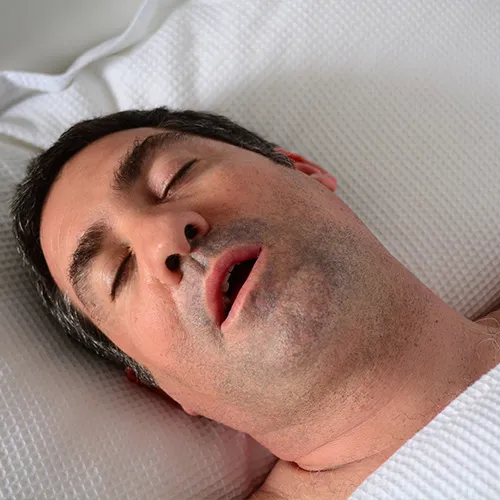
Loud snoring: This is often the first sign of sleep apnea. When the airway is blocked, the air has to work harder to get through, which can cause the soft tissues in the throat to vibrate and create loud snoring sounds.
Gasping or choking during sleep: When the airway is blocked, it can cause a person to gasp for air or even wake up choking. This can be a sign of sleep apnea, especially if it occurs frequently during the night.
Difficulty staying asleep: People with sleep apnea often wake up frequently during the night. They may not even be aware of it, but these interruptions in sleep can lead to poor quality of sleep.
Morning headaches: Sleep apnea can cause a lack of oxygen to the brain, which can lead to morning headaches.
Fatigue and irritability: When a person doesn't get enough quality sleep, they may feel excessively tired during the day. This can lead to irritability and difficulty focusing on tasks.
Difficulty falling asleep: People with sleep apnea may have difficulty falling asleep due to the lack of oxygen and the constant interruption of breathing.
Sore throat in the morning: The constant interruption of breathing can lead to a sore throat in the morning as the person is struggling to breathe throughout the night.
If you're experiencing any of these symptoms, it's important to see a doctor. They will be able to conduct a sleep study to determine whether or not you have sleep apnea.
How Common is Death from Sleep Apnea?
Unfortunately, sleep apnea can be a serious condition that can lead to serious health problems, including death. Studies have shown that people with untreated sleep apnea have a higher risk of death compared to those without the condition. The risk of death is even higher for people who have severe sleep apnea.
According to a study published in the Journal of Clinical Sleep Medicine, people with severe sleep apnea have a four-times higher risk of death compared to those without the condition. The study also found that the risk of death is even higher for people with both severe sleep apnea and other health conditions such as heart disease and diabetes.
Another study published in the American Journal of Respiratory and Critical Care Medicine found that people with sleep apnea have a three-times higher risk of death compared to those without the condition. The study also found that the risk of death is even higher for people with severe sleep apnea.
It's important to note that sleep apnea can be treated, and the risk of death can be reduced with proper treatment.
How Do You Treat Sleep Apnea?
Treatment for sleep apnea is important to improve the quality of sleep and reduce the risk of serious health problems, including death. There are several treatment options available for sleep apnea, including:
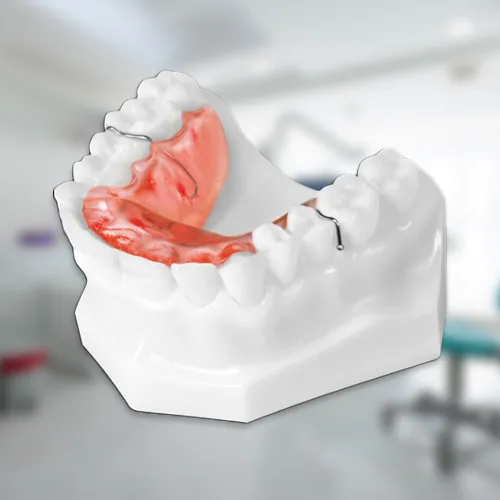
Oral appliances: Oral appliances are small devices that fit comfortably in the mouth and help to keep the airway open during sleep. They are a non-invasive and effective treatment option for those who have been diagnosed with sleep apnea.
Continuous positive airway pressure (CPAP) therapy: CPAP therapy uses a mask that fits over the nose and/or mouth to deliver a steady stream of air to help keep the airway open during sleep. It's considered as the gold standard treatment for sleep apnea, but some people may find it uncomfortable or difficult to use.
Lifestyle changes: Losing weight, avoiding alcohol and sedatives, sleeping on your side, and avoiding sleeping on your back can help to reduce the symptoms of sleep apnea.
Surgery: In some cases, surgery may be necessary to remove excess tissue from the airway or to reposition the jaw to help keep the airway open during sleep.
It's important to note that treatment for sleep apnea is a lifelong process. Regular follow-up with your healthcare provider is necessary to ensure that the treatment is working effectively and to make any necessary adjustments.
At Aviara Centers, we specialize in treating sleep apnea. We work closely with sleep physicians to provide a comprehensive approach to treatment. We understand that each patient is unique and that's why we work with each patient individually to find the best treatment option that suits them.
If you think you may have sleep apnea, don't hesitate to contact us to schedule an appointment. Together, we can help you get the restful sleep you need to live a healthy and fulfilling life.
























OUR RECENT POSTS
Check us out and follow our Los Alamitos, California practice on social media...